WILD MANUAL · REFERENCES
Where the look came from.
The design system was extracted from eighteen assets. These are them, with what each one settled. Three rules stated as absolute were falsified by widening this set, and the record says so.
-
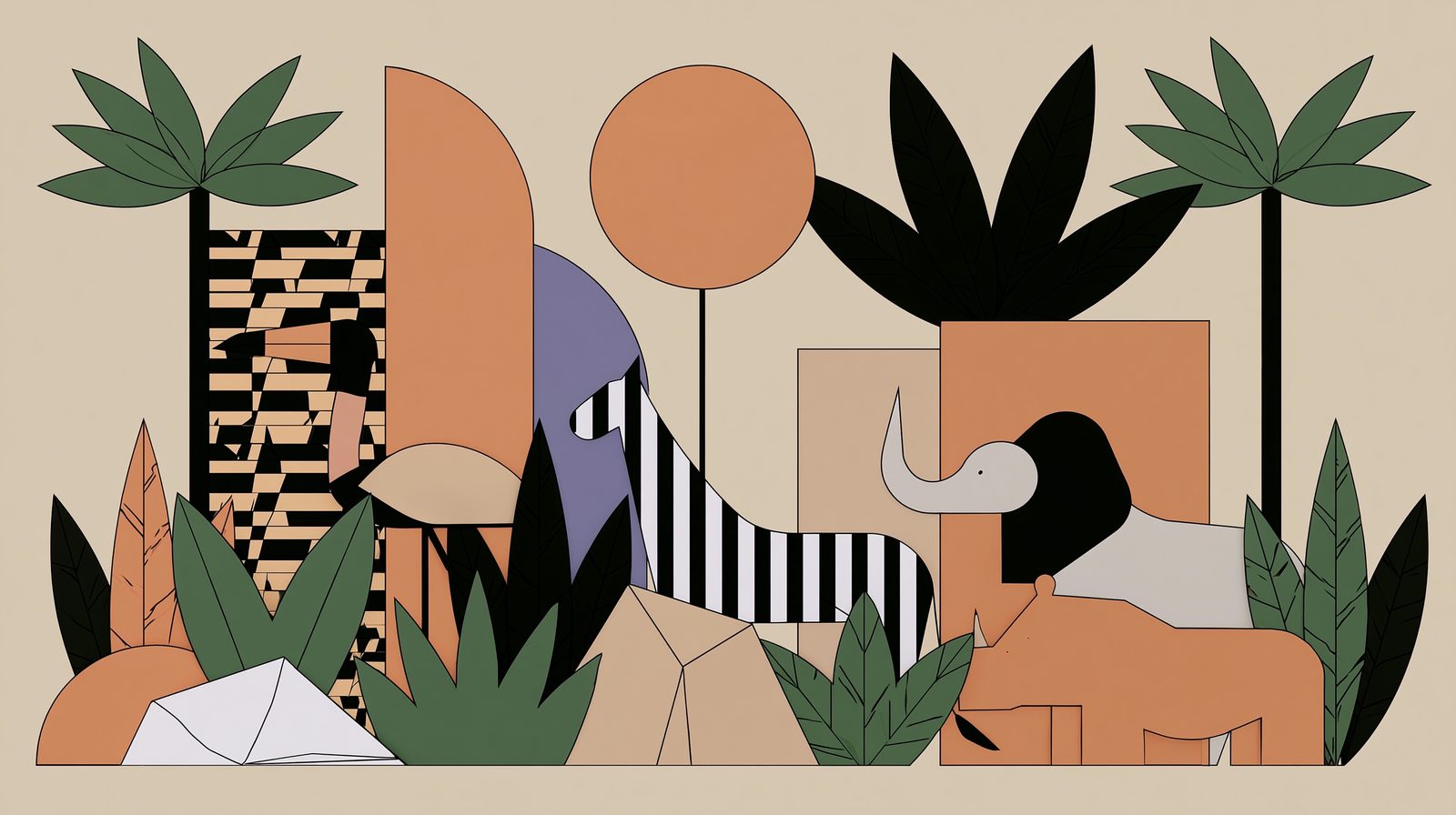
wildmanual-01
The sand ground. Every reference sits on it, which is why it is the page.
-

wildmanual-05
Falsified the no-shadow rule. Broad soft shading inside a curved form is permitted; a gradient is not.
-
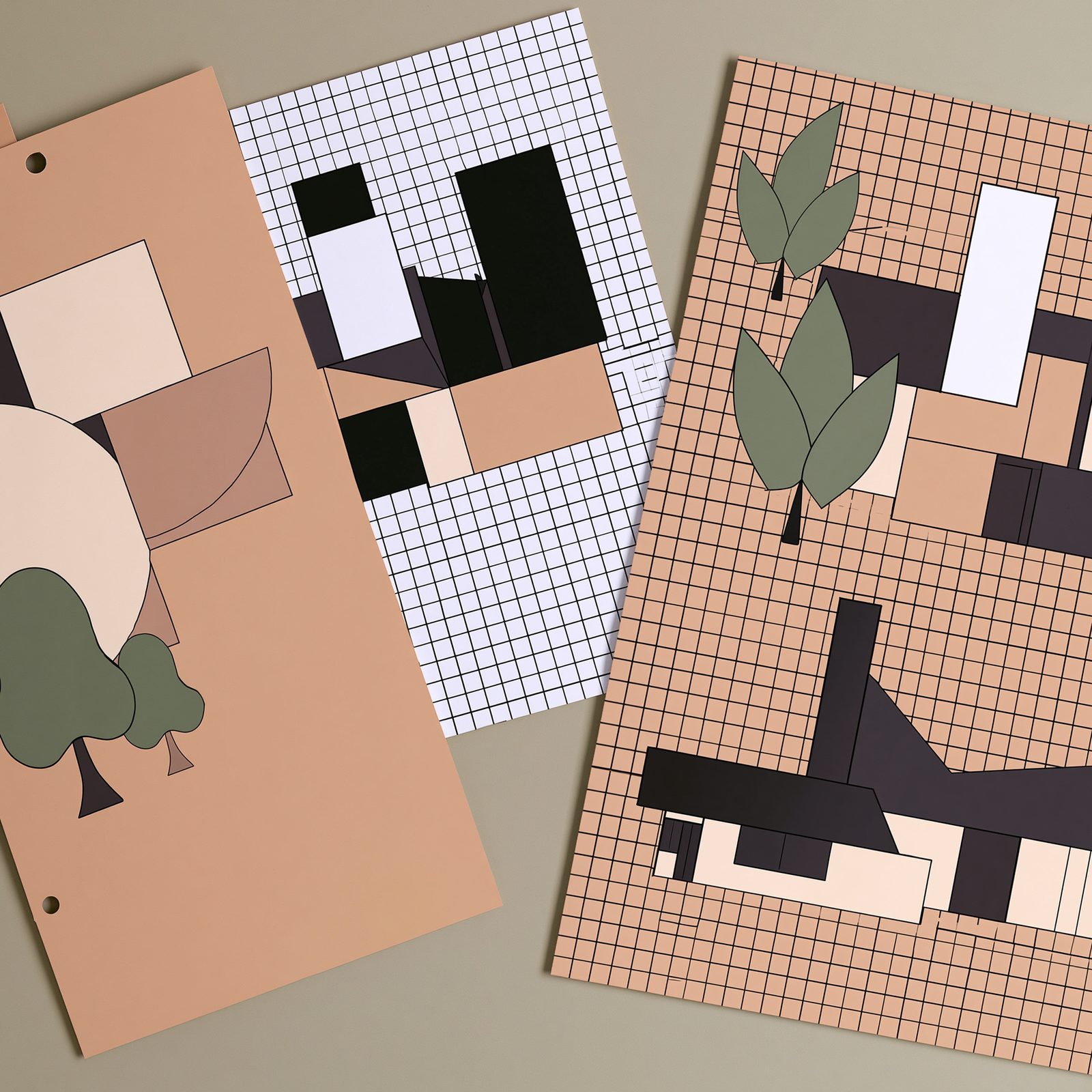
wildmanual-09
The orthogonal grid is printed on the stock, not laid over it, so it clips to the cut edge.
-
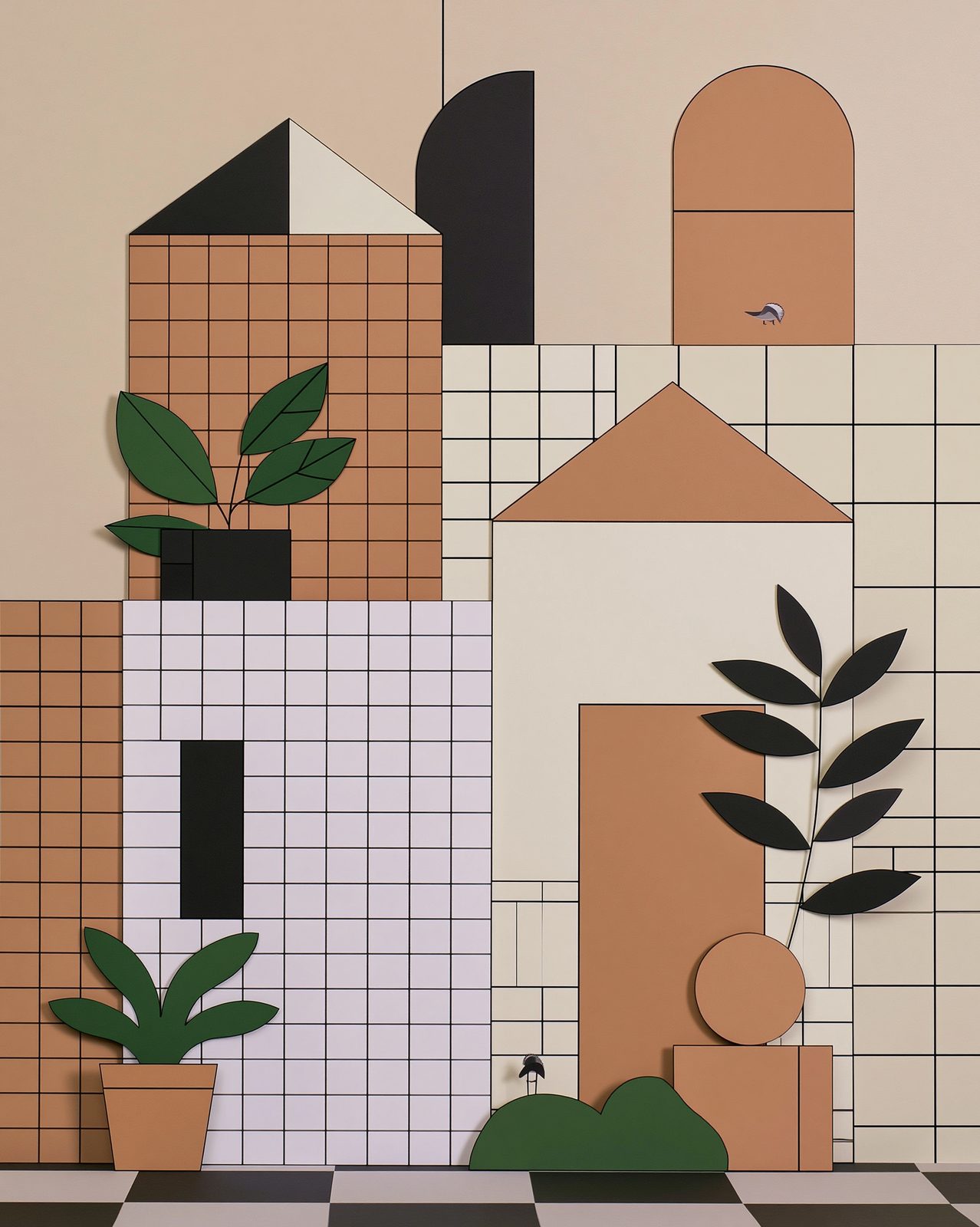
wildmanual-11
Architecture, not animals. The system is a language, not a subject.
-

wildmanual-13
A human figure built from the same nine shapes, which is the test that the grammar generalises.
-
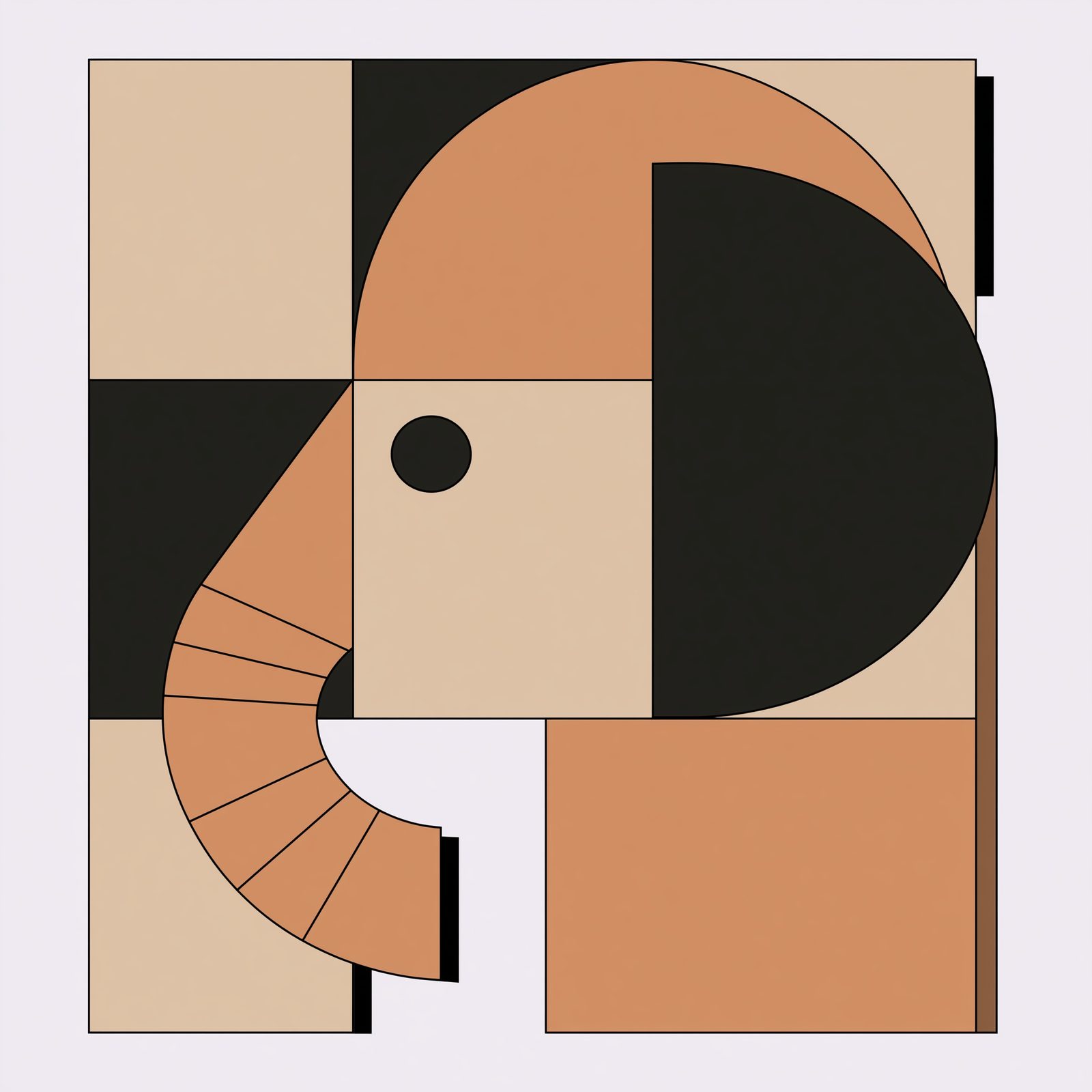
wildmanual-18
Reduction to the limit: one animal in four shapes, still legible.